About Lindos Acropolis
History of Lindos Acropolis

The Acropolis of Lindos is a historical treasure from the 10th century BC, founded by the Dorians. The most prominent structure, the Temple of Athena Lindia, was commissioned in the 6th century BC by Cleobulus, a renowned ruler and one of the Seven Sages of Greece. Over the centuries, the Acropolis evolved, incorporating Hellenistic, Byzantine, and mediaeval architectural styles.
Throughout its history, the Acropolis underwent several renovations and expansions. The Temple of Athena Lindia was rebuilt in the 4th century BC after a fire, and the Hellenistic stoa was added. During the Byzantine period, the site was fortified, including the construction of a Byzantine church. In the 14th century, the Knights Hospitaller further fortified the Acropolis with massive walls and towers. Today, the Acropolis of Lindos is a popular tourist destination, recognised as part of the UNESCO World Heritage for its rich historical and cultural significance.
Why visit the Acropolis of Lindos?
What to See in Lindos Acropolis

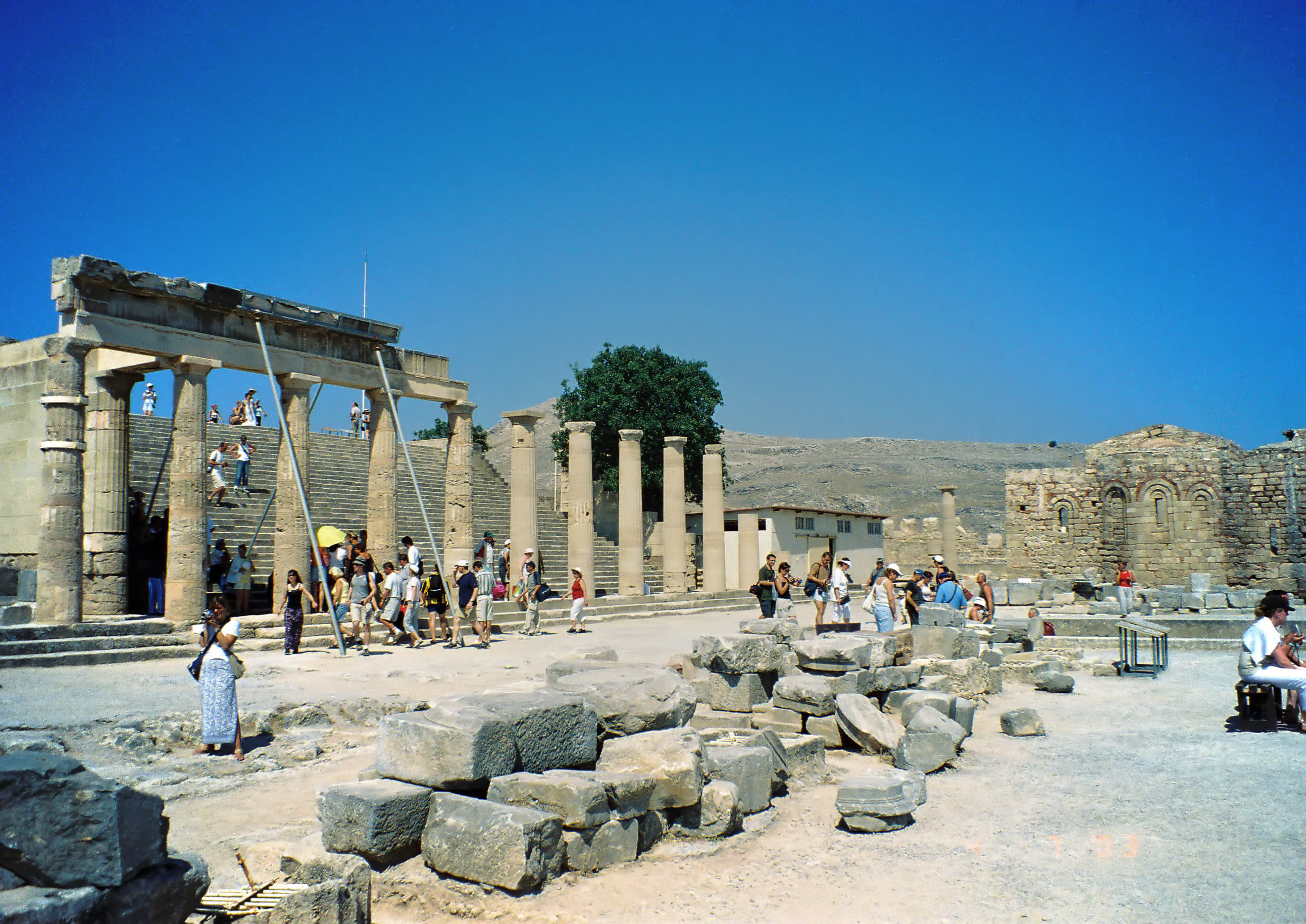
The Church of St. John is a gem within the Lindos Acropolis. Built during the Byzantine era, features a classic basilica layout with three aisles. You will notice the blend of Byzantine and Gothic styles in its architecture. Inside, well-preserved frescoes depict saints and biblical scenes, reflecting the artistic traditions of the time. The presence of a miḥrāb indicates its conversion into a mosque during the Ottoman period.

The Lindos Acropolis Staircase is the main route leading to the Acropolis. This steep, stone staircase was carved into the rock, showcasing ancient Greek engineering prowess. As you ascend, you will be treated to stunning views of the Aegean Sea and Lindos village below. Along the way, you may encounter ancient inscriptions and remnants, adding to the rich historical tapestry of the Acropolis.
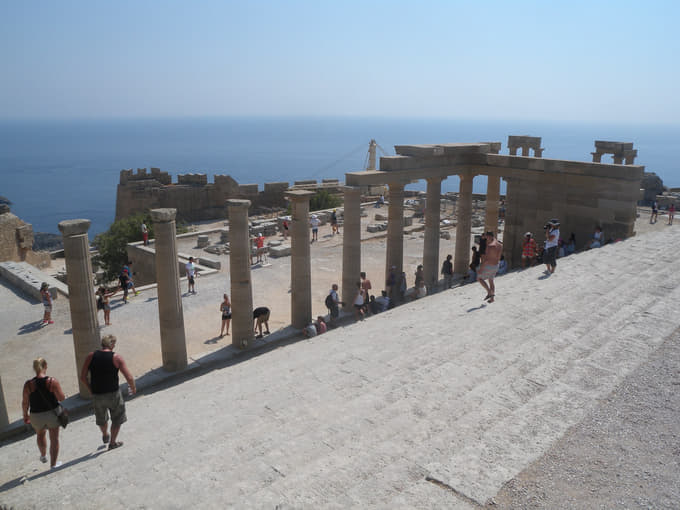
The Archaic Staircase, dating back to the 6th century BC, is an ancient architectural marvel. Wider and more elaborate than the main staircase, it highlights the advanced construction techniques of the Dorian Greeks. The stone steps and surrounding walls offer insight into ancient building methods. As you climb, you can see carvings and inscriptions that shed light on the cultural practices of the time.

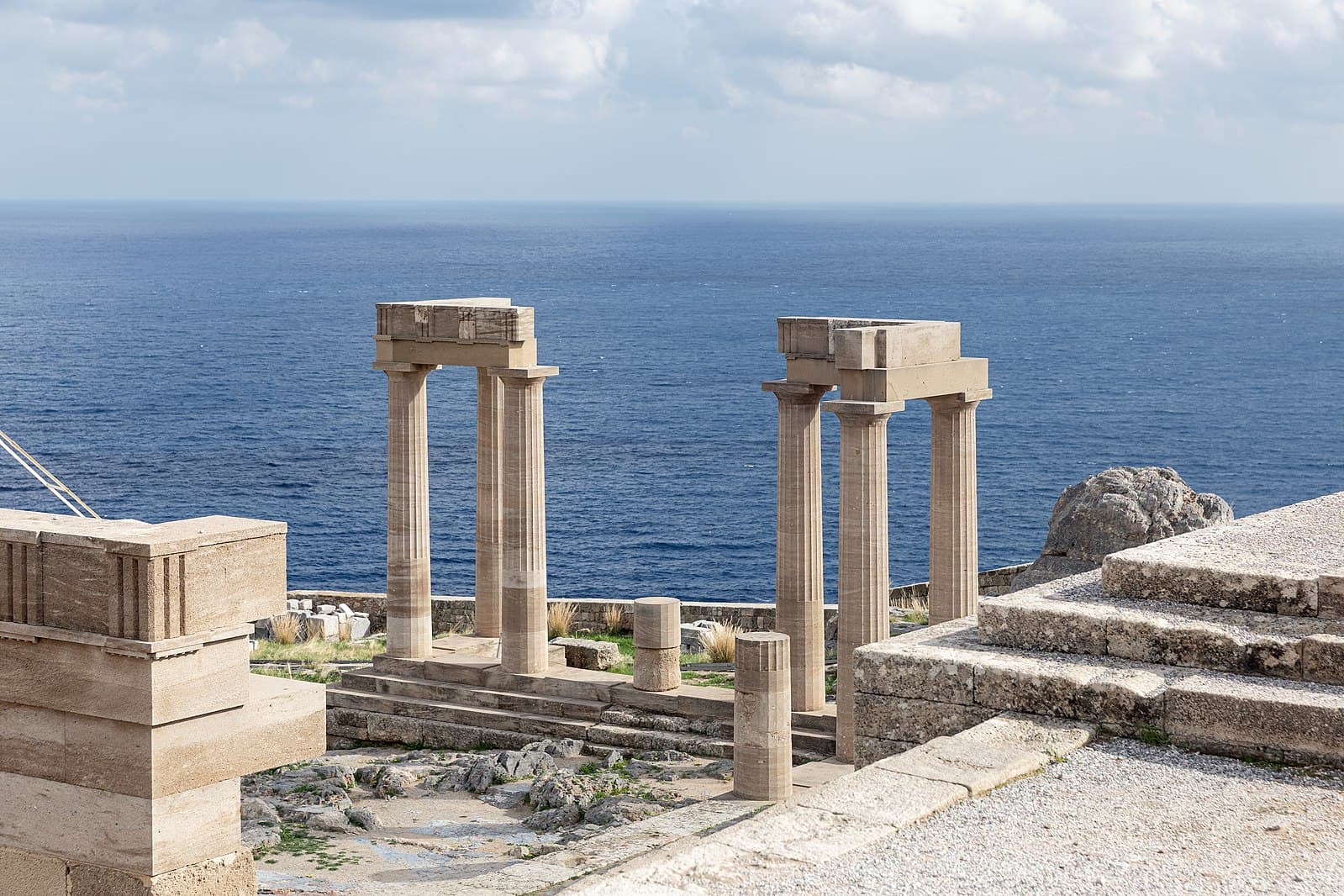
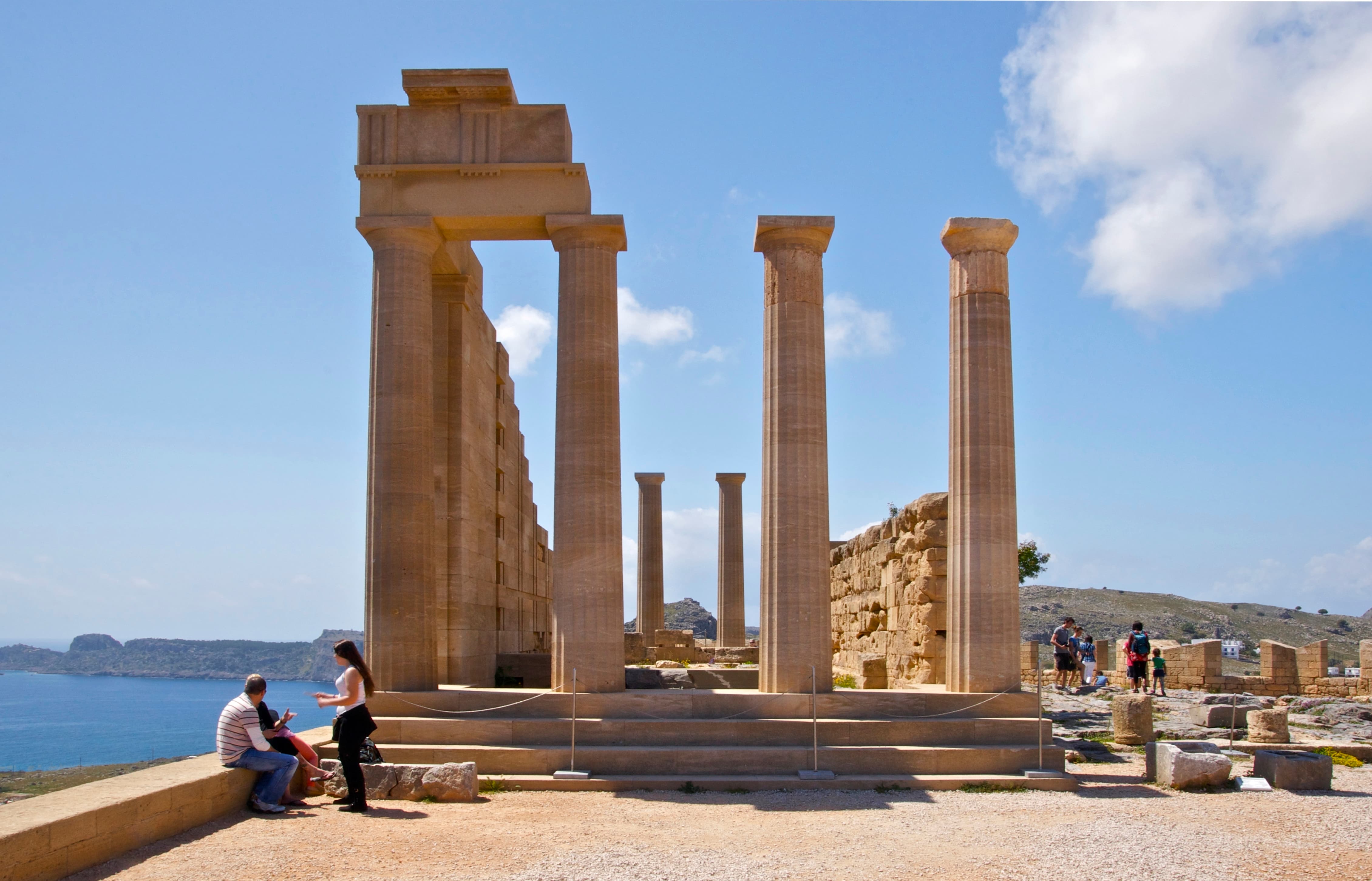
The Temple of Athena Lindia is the Acropolis's crown jewel, constructed in the 4th century BC. Dedicated to Athena, the goddess of wisdom and warfare, the temple showcases Doric architecture. You can explore its remains, including the altar and columns. The temple was a focal point for worship and civic activities, reflecting its importance in ancient Lindos.
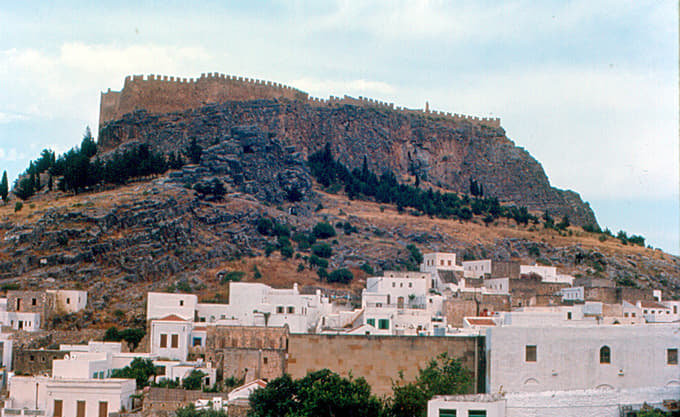
The Fortification Wall of the Lindos Acropolis is a formidable structure, built to protect the site from invaders. Spanning various historical periods, including the Hellenistic and medieval eras, the wall is made of large stones, intricately fitted together. Walking along the wall, you can see the defensive features added by the Knights of St. John in the 14th century.
FAQs
What is the Acropolis of Lindos, and why is it significant?
The Acropolis of Lindos, located on the island of Rhodes, Greece, is a historically significant archaeological site. Dating back to the 10th century BC, it was a major religious and political centre dedicated to Athena Lindia. The site features the Temple of Athena, a Hellenistic stoa, a Byzantine church, and mediaeval fortifications, reflecting diverse architectural styles and cultural influences over centuries.
How do I get to the Acropolis of Lindos?
To reach the Acropolis of Lindos, you have several options. If you are in Rhodes Town, taking the Rhodes-Lindos Express Bus is a convenient and economical choice, with the journey lasting about one hour. For those seeking flexibility, renting a car allows you to explore at your own pace, with ample parking near Lindos village. Once in Lindos, you can walk up a steep staircase to the Acropolis, which takes about 15-20 minutes. For a more traditional experience, you can opt for a donkey ride from the village entrance, a popular choice among tourists.
What are the opening hours of the Acropolis of Lindos?
The Acropolis of Lindos is open daily from 8:00 a.m. to 7:40 p.m. These hours allow ample time to explore the site and enjoy the stunning views. It is recommended to visit early in the morning or later in the afternoon to avoid the busiest periods and the midday heat.
Can I take photos at the Acropolis of Lindos?
Yes, you can take photos at the Acropolis of Lindos. The site offers stunning views of the surrounding landscape and the ancient ruins, including the Temple of Athena Lindia. It is a popular spot for both amateur and professional photographers. However, you must ensure to respect the site's historical significance.
Is the Acropolis of Lindos wheelchair accessible?
The Acropolis of Lindos is currently not fully wheelchair accessible due to its steep and uneven terrain. The site involves a challenging ascent with many steps and rocky surfaces. However, plans are in place to install an incline elevator to improve accessibility.